


Power Optimization Service
Reducing auxiliary power consumption and improving plant efficiency
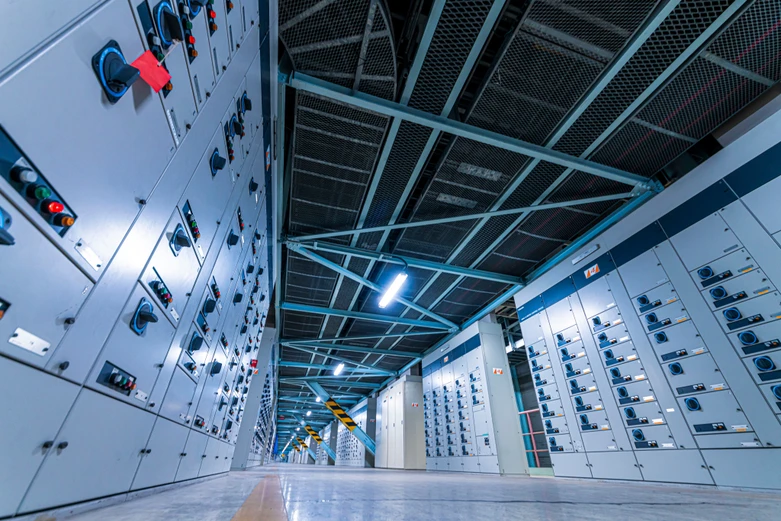
Cut auxiliary power consumption — reduce operating costs, with no major investment
An energy audit visualizes your parasitic load (auxiliary power consumption) and JERA then optimizes the operation of major equipment, such as large pumps and fans, based on actual operating conditions. This can reduce auxiliary power consumption by several percent and potentially save tens of thousands of dollars annually, without major capital investment.

Issue
-

High auxiliary power consumption
-

Limited visibility into energy saving opportunities
-

Dependence on standard operating practices
AT A GLANCE
70+ years
Operating thermal power plants worldwide
WHY JERA
Seven decades of thermal power expertise
JERA's capability is built on 70+ years of operating thermal power plants. We apply that hard-won experience to cut in-house power through practical, data-driven improvements — proven across our fleet.
-
-10%
Auxiliary-power cut on a single fan system ¹
-
≈ $90k
Annual cost saving from one optimization ¹
-
Low / no
Capital investment for most measures
OVERVIEW
What is Power Optimization Service
A specialized consulting service that reduces a thermal power plant's auxiliary power consumption (parasitic load). Through an energy audit that visualizes energy usage and applies proven operational expertise, facilities achieve substantial cost savings without compromising reliability. We assess every major system and quantify the saving before recommending any change.
BENEFITS
What power optimization delivers
-
01
Meaningful cost reduction
Cut auxiliary power consumption by several percent — worth tens of thousands of dollars a year (≈$90k in one case).
-
02
No major capital investment
Savings come from operational fixes to existing equipment — no large capex, reliability intact.
-
03
Tailored, practical improvements
Day-to-day changes (cooling-water pump staging, HVAC control, standby-power cuts) that optimize auxiliary power consumption, not theory.
-
04
Quantified and standardized
An energy audit quantifies the annual saving before you commit, and the fix is built into operating procedures so it repeats every year.
CASE STUDY
10% auxiliary power cut at the flue gas & air system
CHALLENGE
Large fans are essential auxiliary equipment that supply the air required for power plant operation. Their power requirements vary depending on the fuel properties and operating conditions. In recent years, the diversification of fuel types and operating conditions had increased the operating load of the large fan, resulting in higher auxiliary power consumption. There was an opportunity to optimize its operation while maintaining equipment reliability.
SOLUTION
JERA conducted a comprehensive analysis of the large fan's control characteristics, operating data, and actual air demand. Based on the findings, operational improvements were implemented without capital investment, while ensuring the required airflow and maintaining equipment reliability.
RESULT
By optimizing the operation of the large fan, the motor load was reduced while maintaining the required airflow and equipment reliability, resulting in a 10% reduction in the equipment's auxiliary power consumption. The improvements were also incorporated into the plant's standard operating procedures, enabling sustained cost savings.
-
-10%
Internal power on this system
-
≈$90k
Annual saving (≈ $93,333)
-
$0
Capital investment
Source: Based on a JERA-owned thermal power plant in Japan (coal-fired). Figures are from one site and will vary by plant configuration and load profile.
Q&A
Power Optimization Service, answered
Q. What is Power Optimization Service at a thermal power plant?


Power Optimization Service is the practice of reducing a thermal power plant's parasitic (auxiliary) power — the electricity used to run its own pumps, fans, and compressors. JERA delivers plant-specific operational fixes with no major capex, cutting in-house consumption by several percent.
Q. What types of power plants is this service suitable for?
JERA's Power Optimization Service is designed primarily for thermal power plants. It can be applied to any facility equipped with a system that visualizes auxiliary power usage, and it delivers clear value to plants looking to reduce costs by improving the operation of their existing equipment.
Q. How soon can results be expected after implementation?
While this depends on how the proposed improvements are carried out, reductions in auxiliary power consumption can typically be demonstrated within a few months. Annual savings of several percent are anticipated, potentially amounting to cost reductions of roughly USD 100,000 to 600,000.
Q. Does this service require equipment replacement or additional investment?
As a rule, large-scale equipment upgrades and major capital investment are not required. The service centers on day-to-day operational improvements—such as optimizing cooling water pumps and HVAC systems and reducing standby power consumption—with a focus on reviewing how existing equipment is operated.
EXPLORE MORE
Related O&M Services


Start Your Auxiliary Power Assessment
Request a consultation. JERA visualizes your auxiliary power usage, identifies the highest-consumption equipment, and quantifies the annual savings before you commit.
SOURCES & NOTES
1. Based on a JERA-owned thermal power plant in Japan (coal-fired).
Author: JERA Overseas Engineering Service Group · Reviewed by O&M Engineering Strategy Division Published Sep 2026 · Last updated Sep 2026